Promoted by Fondazione Milan, Fondazione CDP and the FIGC alongside the Ministry of Justice, the project supports the social reintegration of minors and young adults involved in the criminal justice system.
In its first year, 109 beneficiaries took part in sports education and career guidance programs in the cities of Catania, Naples, Palermo, Milan and Airola (BN).
Palermo, May 7, 2026 – The second year of activities of “Play for the Future” is now fully underway. The project is promoted by Fondazione Milan, Fondazione CDP and the Italian Football Federation (FIGC), in collaboration with the Ministry of Justice – Department for Juvenile and Community Justice. Using sport as a lever for social inclusion, the initiative aims to foster the reintegration of young people involved in the criminal justice system through sports education and professional orientation pathways.
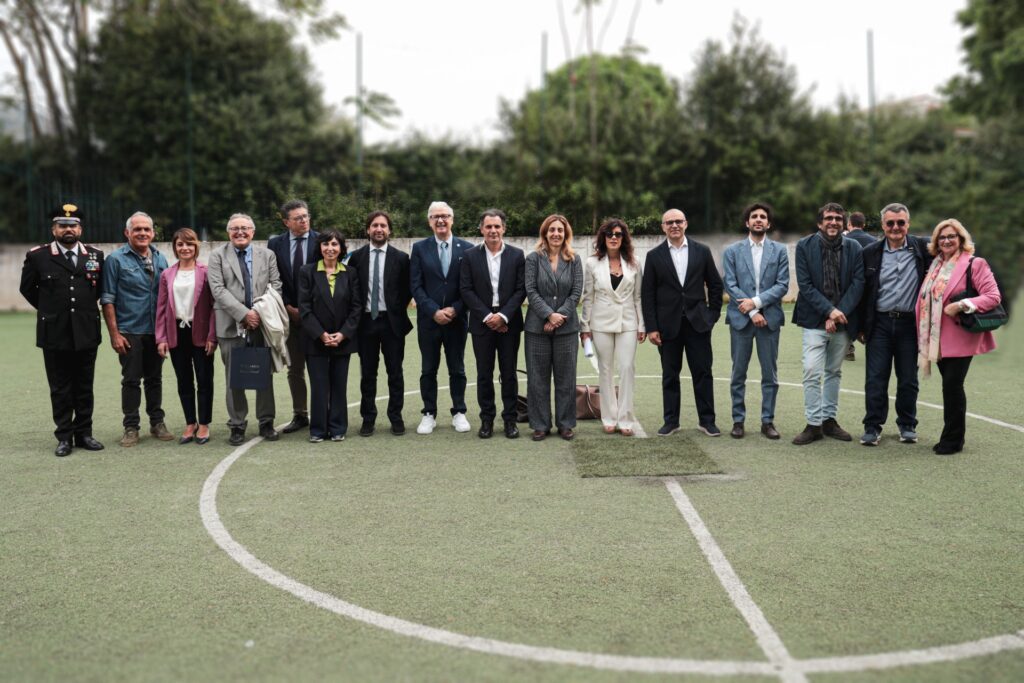
The results of the first season of the three-year programme – implemented in Naples, Catania, Palermo, Milan and Airola (BN) – were presented at the Giovanni Falcone Comprehensive Institute in Palermo, alongside the final of a tournament involving the project’s beneficiaries and young people from local associations. The event also served as an opportunity for institutional dialogue, with the participation of Cristiana Rotunno, Deputy Head of the Department for Juvenile and Community Justice, Carolina Spataro, Deputy Prefect of Palermo, Fabrizio Ferrandelli, Councilor for Youth Policies, and representatives of the organizations promoting the initiative.
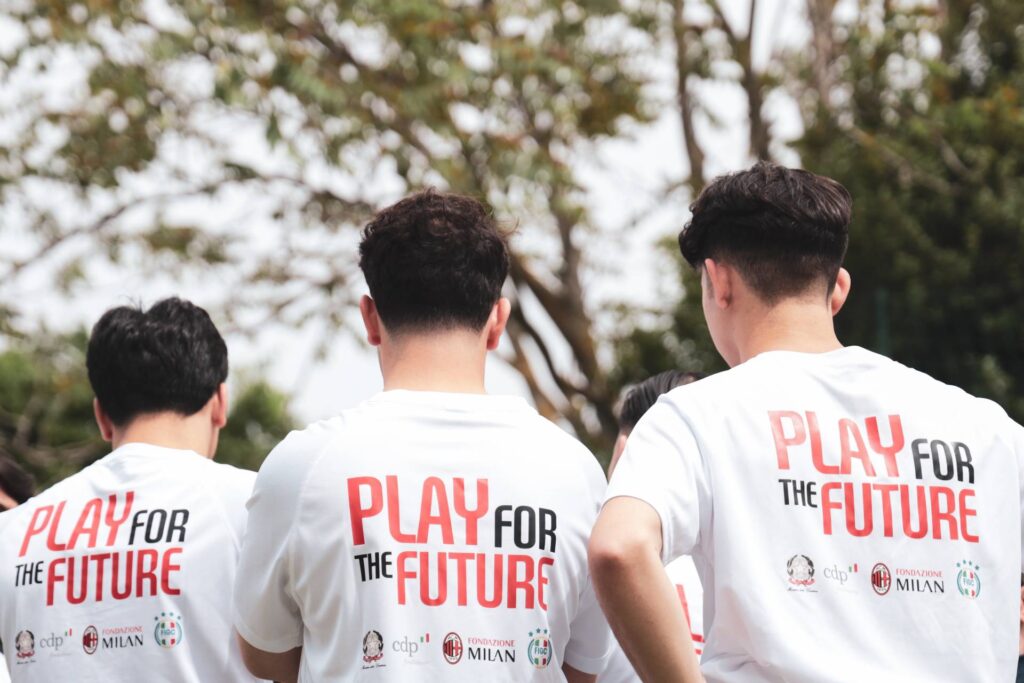
During the first year, the project involved a total of 109 young people subject to the criminal measure of probation. The activities recorded strong and consistent participation, fostering greater personal and relational awareness. The project’s integrated approach – combining sports practice, values-based workshops and group activities – contributed to individual growth and the building of positive relationships, also supported through collaboration with local authorities.
Within Juvenile Detention Institutes, participants acquire the fundamentals of football and the skills needed to assist a coach in managing sports activities, effectively training for future opportunities. At the end of the program – overseen by the FIGC through its Youth and School Sector – participants receive the “Grassroots Level E – Social Football Course” certificate, recognized both within the institutes and, in external contexts, by sports clubs.
For minors and young people under criminal measures and supported by Juvenile Justice Services, the project also includes personalized sports education and employment orientation pathways, featuring skills assessments and support aimed at facilitating entry into the labor market.
One of the young participants shared: “Thanks to sport, I learned what it means to be part of a team, to collaborate and respect others. Training consistently helped me not only physically, but also mentally, in the way I face daily challenges. During the project, I also had the opportunity to access a work grant: over the summer I supported on-field activities, working alongside the coach and helping with the summer camp training sessions.”
This intervention model is based on close collaboration with the juvenile justice system, through the involvement of educational staff from Juvenile Detention Institutes and social service professionals from the Offices of Social Services for Minors of the Ministry of Justice – Department for Juvenile and Community Justice. These professionals oversee beneficiary selection, monitor individual pathways, and contribute to the development of tools for assessing the project’s social impact.